Antarctica’s Winter Sea Ice Falls to Third-Lowest Level on Record
Four consecutive years of exceptionally low ice are raising concerns that Antarctica’s climate system may be entering a dangerous new phase

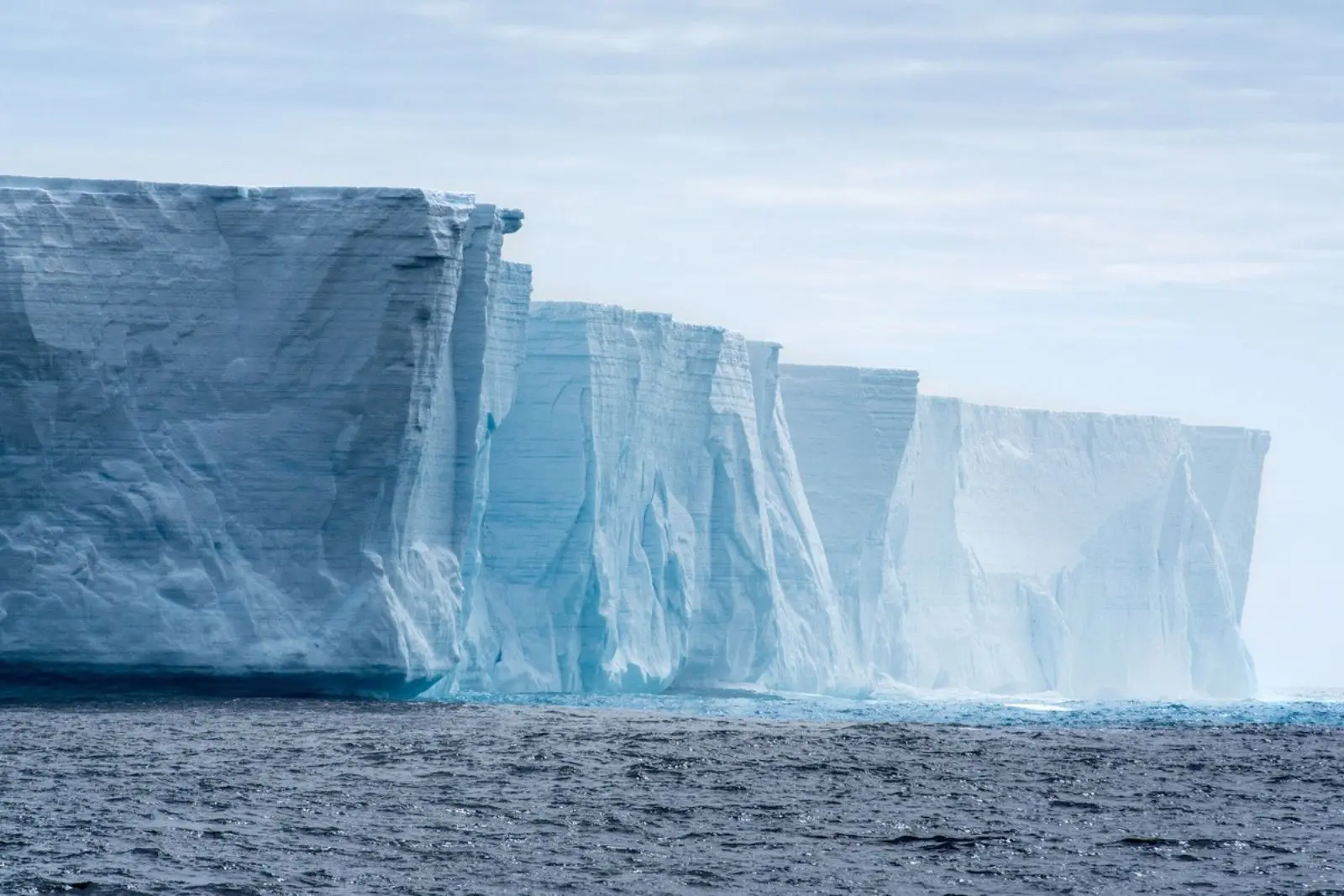
Antarctica is sending another warning, and this one is difficult to dismiss. This winter, Antarctic sea ice reached its maximum extent on September 14 at 17.59 million square kilometres. That may sound enormous, but it was still roughly one million square kilometres below the long-term average. To put that into perspective, the missing ice is an area almost twice the size of Spain.
What makes this development more serious is that it is not an isolated event. The four lowest winter sea-ice maximums ever recorded around Antarctica have now occurred in four consecutive years. Satellites have been monitoring Antarctic sea ice since 1979, and for decades scientists watched the ice expand dramatically during winter and retreat during summer. Seasonal swings are normal. What is worrying scientists now is the persistence of unusually low ice.

Researchers say repeated low-ice years suggest that something fundamental may be changing in the Antarctic system. Global warming is one major factor. As the atmosphere and oceans warm, conditions for sea-ice formation become less favourable. But natural climate patterns are also playing a role. El Niño can alter winds and storm tracks around Antarctica, pushing ice away from the continent, breaking it apart or preventing new ice from forming.
This year offered several warning signs. In June, parts of the Antarctic Peninsula experienced temperatures around 20 degrees Celsius above normal. Scientists also observed a vast region of unusually open ocean along Antarctica’s west coast, where sea ice would normally be expected. Then, in August, something even more unusual happened. At a time when Antarctic sea ice should have been expanding steadily, parts of the Amundsen Sea actually lost ice.

The consequences extend far beyond frozen water. Antarctic sea ice plays an important role in regulating the planet’s climate. Its bright surface reflects sunlight back into space. When the ice disappears, darker ocean water is exposed and absorbs more heat. That can contribute to further warming. Sea ice also supports one of the most important ecosystems on Earth. Krill depend on it, and krill support penguins, seals, whales and much of the Southern Ocean food chain.
Scientists are therefore looking beyond individual weather events. One unusually warm winter can be explained by natural variability. Four consecutive years of exceptionally low winter sea ice are much harder to ignore. The concern is that Antarctica may be shifting into a new climatic state in which low sea-ice conditions become increasingly common.
And Antarctica is not an isolated freezer at the bottom of the planet. It is part of the global climate system. Changes there can influence ocean circulation, marine ecosystems, heat distribution and eventually the wider climate balance of the planet.
For years, climate change was often discussed as a problem for the future. Antarctica is challenging that idea. The ice is changing now. The records are being broken now. The warning signs are appearing now. The question is no longer whether a warming planet will alter Antarctica. The question is how quickly those changes will accelerate, and how prepared the world is for the consequences.