
Europe's Supermarkets Under Cyberattack: When Hackers Turn Refrigerators Into Weapons
No missiles. No explosions. Just a change in temperature. A wave of cyberattacks has disrupted supermarket refrigeration systems across nine European countries, destroying food stocks and exposing a dangerous weakness in digitally connected infrastructure. The question is no longer whether hackers can steal data. It is whether they can disrupt essential services without ever entering a building.

A Cyberattack That Turned Supermarkets Into Targets
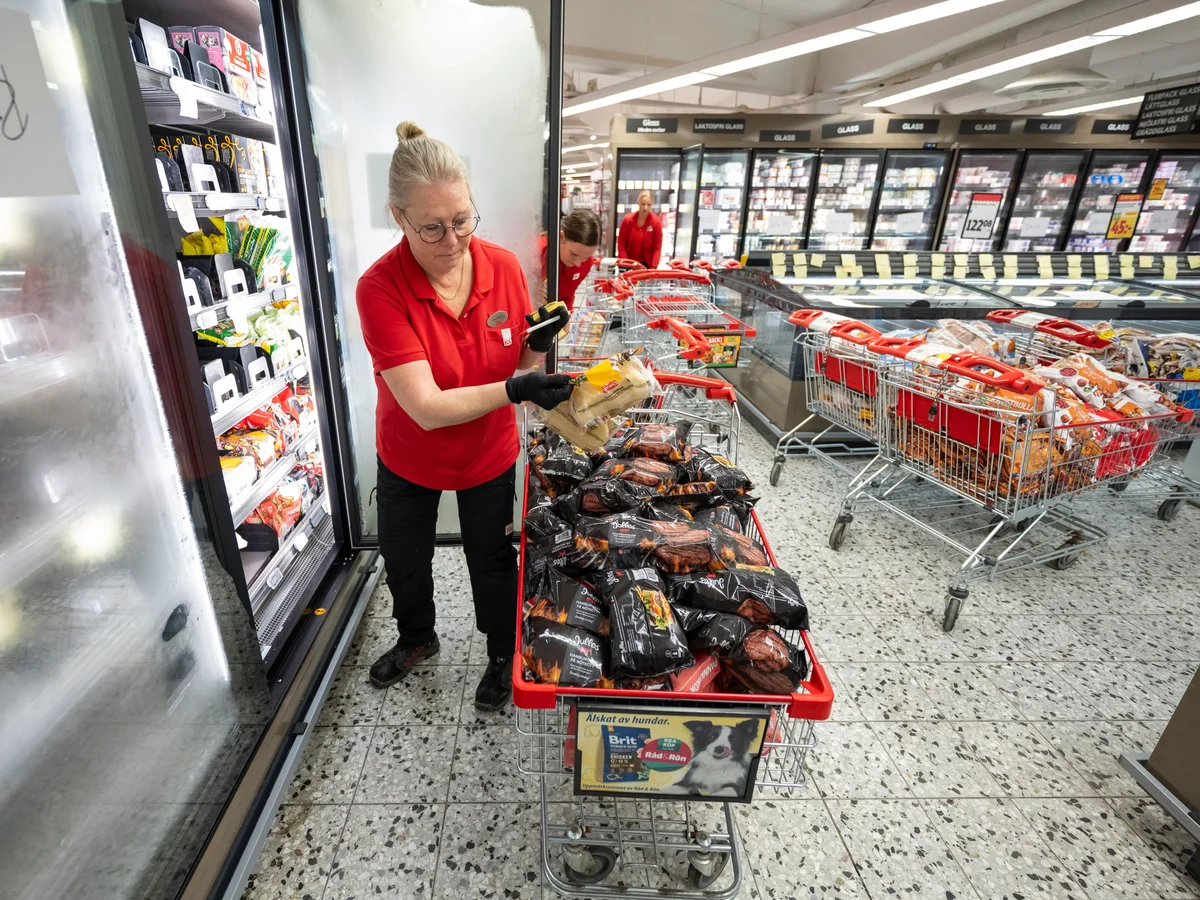
On 2 November 2026, supermarkets and food retailers across Belgium, Estonia, Finland, Ireland, Italy, Luxembourg, the Netherlands, Portugal and Sweden reported disruptions to refrigeration systems following suspected cyberattacks. Hackers reportedly manipulated temperature controls remotely, causing refrigerators and freezers to heat up and forcing retailers to remove or discard perishable products.
The disruption affected more than 100 outlets, according to reports from Reuters and AFP. Some supermarket refrigeration systems reportedly reached 50°C, far above safe storage conditions for frozen food. In Sweden, an ICA supermarket reported that its entire freezer inventory had been destroyed. Carrefour, Delhaize, Intermarché, Coop, SuperValu and other retailers experienced similar disruptions.
The incident illustrates an emerging cybersecurity concern: systems designed to manage physical equipment can become targets for remote manipulation, with immediate consequences for everyday economic activity.
How Hackers Disrupted the Food Supply Chain
The reported attacks did not primarily involve stealing customer passwords or payment information. Instead, they targeted digital controls connected to refrigeration equipment.
Modern commercial cooling systems often use internet-connected controllers that allow technicians to monitor and adjust operating conditions remotely. This improves maintenance efficiency but can also create security risks when devices have weak authentication, outdated software or unnecessary internet exposure.
In the affected systems, attackers reportedly changed temperature settings, stopped cooling functions or activated defrost cycles. Danish industrial technology company Danfoss said some affected installations used default passwords and lacked adequate network protection.
In Belgium, one butcher reported losing approximately €15,000 worth of meat after refrigeration temperatures rose. In Ireland, Musgrave confirmed that 13 SuperValu stores were affected and removed chilled and frozen products from sale as a precaution.
"The next generation of cyberattacks may not need to shut down an entire network. Compromising one essential physical process can be enough to cause serious economic damage."
Europe's Second Refrigeration Cyberattack in Three Weeks
This was not an isolated warning.
On 12 October 2026, a similar cyberattack disrupted refrigeration systems at hundreds of supermarkets in France. Some cooling units reached extreme temperatures, forcing retailers to destroy food products and reportedly causing substantial financial losses.
French authorities estimated that around 700 supermarkets had been affected during the October incident. Investigators examined weaknesses involving older refrigeration-management systems and insecure remote-access arrangements.
The November incidents therefore raise questions about whether the same technical weaknesses were exploited again.
However, investigators have not established that the October and November attacks were conducted by the same perpetrators or formed part of one coordinated campaign. No group has publicly claimed responsibility for the latest incidents.

Why This Attack Matters Beyond Supermarkets
The incident demonstrates how cybersecurity threats increasingly cross from digital networks into physical infrastructure. Supermarkets depend on refrigeration systems, inventory software, payment networks and distribution platforms. Disrupting any of these can interrupt business operations, damage stock and create financial losses.
The European Commission warned that attacks against food-preservation equipment could undermine confidence in supply chains. However, EU officials said the incidents had not placed Europe's overall food security at risk.
The same technical risks can arise in hospitals, pharmaceutical warehouses and cold-storage facilities where temperature control is essential. This is an implication of the attack mechanism, not evidence that those sectors were targeted in the November incidents.
Conclusion: Cyberattacks Are Moving Beyond Data Theft
Europe's supermarket disruptions demonstrate that attackers can inflict economic damage by manipulating connected physical equipment rather than stealing information or shutting down entire computer networks.
The incidents also expose the risks of relying on outdated or poorly secured remote-management systems. With investigations continuing and the perpetrators unidentified, it would be premature to attribute the attacks to a particular criminal organisation or state.
A cyberattack no longer needs to steal millions of records to cause serious disruption. Sometimes, changing a refrigerator's temperature is enough.


